 1
1
 0
0
Choosing what to wear for sea swimming is not simply a question of whether the water feels “cold”. The right clothing depends on water temperature, how long you plan to swim, how hard you will be working, the weather above the surface and, importantly, your own tolerance to cold.
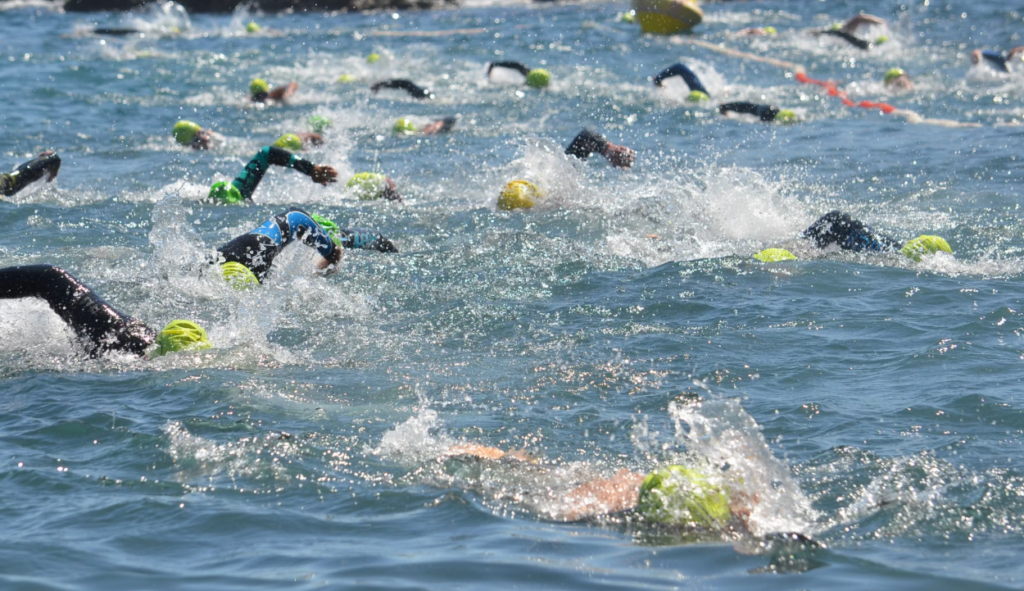
A swimmer moving continuously for 20 minutes will generate far more body heat than someone gently floating, snorkelling or standing waist-deep in the water. Wind, rain and low air temperatures can also make the period before and after a swim considerably colder than the swim itself.
For that reason, water temperature is best treated as a starting point rather than a rigid rule. The following guide gives a practical indication of what most swimmers should consider wearing in different sea temperatures.
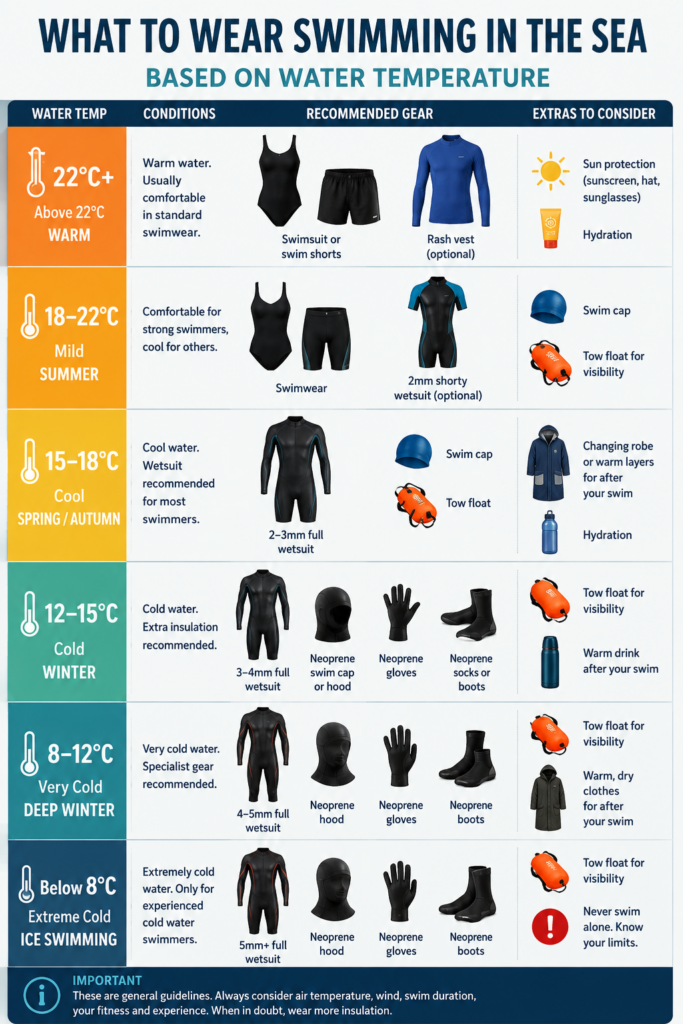
Above 22°C: Usually Comfortable in Standard Swimwear
Once sea temperatures rise above approximately 22°C, most people can swim comfortably in ordinary swimwear.
A swimsuit, swimming trunks or fitted swim shorts will generally be sufficient for recreational swimming. Competitive or fitness swimmers will often prefer close-fitting swimwear because loose fabric creates additional drag.
In particularly sunny conditions, a rash vest can still be useful. Although originally associated with surfing, rash vests are increasingly popular with sea swimmers because they provide protection from the sun and reduce friction around the shoulders and chest.
A lightweight long-sleeved version can be especially useful for people spending extended periods in the water.
Even in warm seas, however, prolonged swimming can eventually cool the body. Water removes heat far more efficiently than air, so a temperature that initially feels pleasantly warm can begin to feel cool after an hour or more.
For long swims, swimmers should therefore pay attention to how they feel rather than assuming that warm water eliminates the possibility of becoming chilled.
18–22°C: Comfortable for Strong Swimmers, Cool for Others
Sea temperatures between 18°C and 22°C are common during summer in many temperate coastal regions. Experienced swimmers may find these temperatures perfectly comfortable in standard swimwear, particularly when swimming continuously.
For others, especially those entering the sea only occasionally, the first few minutes may feel distinctly cold.
A thin wetsuit can provide useful additional warmth without becoming overly restrictive. A 2mm shorty wetsuit, covering the torso and upper legs, is often enough for casual swimming, paddle sports and snorkelling.
Open-water swimmers who want greater freedom of movement may prefer a sleeveless wetsuit or a swimming-specific wetsuit. Swimming wetsuits are designed differently from many general-purpose surfing wetsuits: they tend to use more flexible neoprene around the shoulders, allowing the arms to rotate naturally during front crawl.
Those who prefer not to wear a wetsuit can often remain comfortable simply by keeping swims relatively short and moving continuously.
15–18°C: Consider a Full Wetsuit
Once water temperatures fall below approximately 18°C, the difference between experienced cold-water swimmers and occasional sea swimmers becomes much more noticeable.
Some acclimatised swimmers continue to swim in ordinary swimwear at these temperatures. For most recreational swimmers, however, a wetsuit makes the experience considerably more comfortable.
A full-length wetsuit in the region of 2mm to 3mm thickness is a sensible choice. It provides insulation across the torso, arms and legs while still allowing enough flexibility for swimming.
A swimming cap can also make a noticeable difference to comfort. Standard silicone caps do not provide significant thermal insulation, but they reduce exposure and help keep longer hair out of the way. For swimmers who feel the cold strongly, a neoprene swimming cap provides much greater warmth.
At these temperatures it is also worth thinking seriously about what happens immediately after leaving the water. Wet skin cools rapidly in even a moderate breeze. Having a towel, changing robe, warm layers and dry footwear waiting on shore can make the difference between an enjoyable swim and an uncomfortable recovery.
12–15°C: Cold-Water Swimming Conditions
Water between 12°C and 15°C should be regarded as genuinely cold.
Regular open-water swimmers may deliberately swim at these temperatures without wetsuits, but that is usually the result of gradual acclimatisation rather than simple toughness. Someone accustomed only to heated swimming pools or warm summer seas may experience a strong cold response on entering the water.
A good swimming wetsuit of around 3mm thickness is appropriate for many swimmers. Some wetsuits use varying thicknesses across the body, with thicker neoprene over the torso and thinner material around the shoulders for mobility.
Neoprene accessories also become increasingly useful.
A neoprene swimming cap or hood helps reduce heat loss and can make immersion substantially more comfortable. Neoprene gloves and swimming socks or boots protect the hands and feet, which are often among the first parts of the body to become painfully cold.
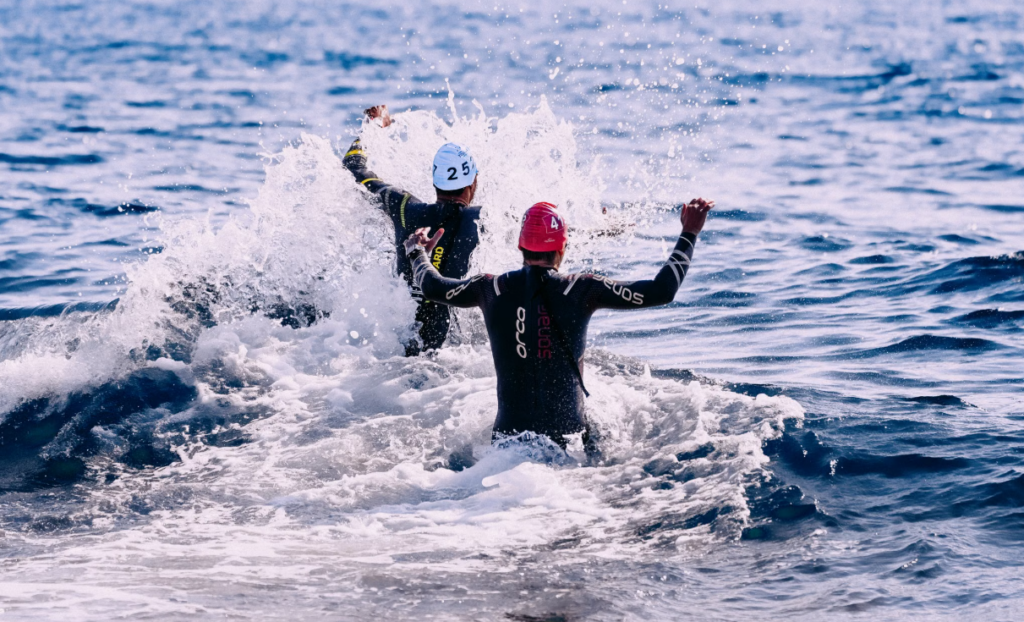
Visibility should also be considered. Sea swimming frequently takes place away from controlled bathing areas, so a brightly coloured swimming cap is advisable. Many open-water swimmers also use a tow float — a brightly coloured inflatable buoy attached by a waist belt — to improve visibility to boats, paddleboarders and other water users.
8–12°C: Specialist Cold-Water Gear Recommended
Below approximately 12°C, sea swimming enters a category where preparation becomes increasingly important.
Experienced winter swimmers sometimes enter water at these temperatures wearing only a swimsuit and swimming cap. That approach should not be taken as a general indication that minimal clothing is suitable for everyone. Cold tolerance varies enormously, and acclimatisation usually develops gradually over repeated exposure.
For swimmers wanting greater protection, a full wetsuit of around 4mm to 5mm provides considerably more insulation. A neoprene hood, gloves and boots may also be appropriate.
The fit of the wetsuit becomes particularly important. A wetsuit does not work by keeping the swimmer completely dry. Instead, a thin layer of water enters between the neoprene and the skin and is warmed by the body. If the suit is too loose, cold water continually circulates through it, dramatically reducing its insulating effect.
The suit should therefore fit closely without restricting breathing or shoulder movement.
Swim duration should also become more conservative as temperatures fall. There is no universal formula for how long someone can safely remain in cold water because body size, experience, physical condition, movement and weather conditions all influence cooling.
Below 8°C: Extreme Cold-Water Swimming
Water below 8°C is extremely cold and demands considerable respect.
For most people, a properly fitted winter wetsuit with thermal accessories is the sensible option if swimming at all. Depending on conditions and activity, this may mean a 5mm wetsuit together with a neoprene hood, gloves and boots.
Some dedicated winter swimmers continue to swim without wetsuits at temperatures approaching freezing. This is a specialised form of open-water swimming typically undertaken by people who have built up their tolerance over a long period.
Cold water can trigger an involuntary gasp response and rapid breathing immediately after immersion. Entering gradually, remaining within easy reach of an exit point and avoiding sudden diving into very cold water are sensible precautions.
Swimming alone is also particularly unwise in very cold conditions. Having another swimmer or someone watching from shore provides an additional margin of safety.
Do Not Judge Conditions by Water Temperature Alone
The thermometer tells only part of the story.
A calm, sunny day with 14°C water can feel completely different from 14°C water accompanied by strong wind, rain and rough seas. Likewise, a 10-minute swim close to shore is a very different undertaking from a one-hour coastal swim.
Your swimming intensity also matters. Continuous front crawl generates considerably more heat than breaststroke at a relaxed pace, snorkelling or simply floating.
Individual physiology plays a role too. Body composition, circulation, age, experience and previous exposure to cold water can all affect how quickly someone becomes uncomfortable.
This is why experienced sea swimmers rarely choose their equipment according to temperature alone. They consider the complete set of conditions.
What You Wear After the Swim Matters Too
One of the most overlooked parts of cold-water swimming happens after you leave the sea.
The body can continue cooling for a period after the swim has finished. For this reason, changing quickly into warm, dry clothing is essential in colder conditions.
A large towel or changing robe makes getting dressed easier, particularly on exposed beaches. Loose clothing is usually preferable because cold hands can make buttons, zips and tight garments surprisingly difficult to manage.
A warm hat, insulated jacket, thick socks and easy-to-pull-on footwear are particularly useful during winter swimming.
The aim is simple: get dry, get dressed and get warm without unnecessary delay.
The Best Rule Is to Dress for Your Experience
There is no single outfit that is correct at a particular temperature.
One swimmer may happily complete a 30-minute swim in 14°C water wearing only a swimsuit, while another may be far more comfortable in a 3mm wetsuit. Neither approach is inherently better.
For anyone new to sea swimming, it is generally better to begin cautiously. Wear more insulation than you think you might need, keep early swims relatively short and learn how your body responds.
With experience, you can adjust your equipment to suit the conditions.
The objective is not to prove how much cold you can tolerate. The right clothing is whatever allows you to swim comfortably, confidently and safely enough to enjoy being in the sea.